

Automotive Decorative Trim
Automotive decorative trim plays an essential role in enhancing both the appearance and perceived quality of a vehicle. It is one of the most visible design elements in modern automotive interiors and exteriors, helping to create a refined, stylish, and distinctive look. While its primary function is aesthetic, decorative trim also contributes to brand identity, user experience, and, in some cases, practical protection for vehicle surfaces.Inside the vehicle, decorative trim is commonly used on dashboards, door panels, center consoles, air vents, steering wheels, and instrument surrounds. These components can be finished in a wide range of materials and textures, such as brushed metal, piano black, matte coatings, wood grain, carbon fiber patterns, and soft-touch surfaces. The choice of trim materials and finishes strongly influences the cabin atmosphere, making it feel sporty, luxurious, modern, or minimalist depending on the design intent. High-quality interior trim can also improve tactile comfort and create a more premium impression for drivers and passengers.Exterior decorative trim is equally important. It can be found around windows, grilles, bumpers, roof rails, side moldings, and lower body panels. These elements add visual definition to the vehicle’s shape and can highlight aerodynamic lines or design accents. Chrome trim, blacked-out trim, and metallic accents are especially popular for creating contrast and sophistication. In addition to style, exterior trim may offer light surface protection against minor scratches, dirt, or weather exposure.The development of automotive decorative trim requires careful attention to material performance, durability, and manufacturing precision. Since vehicles are exposed to sunlight, temperature changes, vibration, moisture, and frequent use, trim parts must maintain their color, finish, and structural integrity over time. Common materials include plastics, aluminum, stainless steel, PVC, ABS, polycarbonate, and composite materials. Advanced surface treatments such as coating, electroplating, vacuum metallizing, printing, embossing, and laser processing are often applied to achieve specific visual effects and improve resistance to wear.Design trends in automotive decorative trim continue to evolve with consumer preferences. Many customers now favor clean, elegant finishes with subtle details rather than overly ornate styling. At the same time, customization has become increasingly important, allowing vehicles to reflect different market segments and personal tastes. As electric vehicles and smart mobility solutions grow in popularity, decorative trim is also adapting to new interior concepts that emphasize simplicity, digital integration, and sustainable materials.In summary, automotive decorative trim is far more than surface decoration. It is a key element of vehicle design that combines aesthetics, function, durability, and brand expression. Through thoughtful material selection and precise craftsmanship, decorative trim helps transform a vehicle into a more attractive, comfortable, and memorable product.
Products
Category:
-
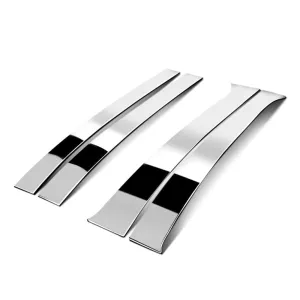
Custom Car Exterior Chrome Trim Molding Parts
Category: EV Metal PartsBrowse number: 26Number:Release time: 2026-08-21 17:25:41This automotive decorative trim strip is designed to enhance vehicle exterior appearance while providing a clean and durable finishing solution for modern vehicle designs. Manufactured with precision metal forming processes, the trim features a smooth surface, refined appearance, and stable shape retention. It is suitable for EV vehicles, passenger cars, door frames, window surrounds, side body decoration, and other exterior styling applications where visual quality and corrosion resistance are required.
News
Category:
No search results found!
Case
Category:
No search results found!
Video
Category:
No search results found!
Download
Category:
No search results found!
Job
Category:
No search results found!
Featured Products
No search results found!



 Phone
Phone